This article explains what “suboptimal health” means, eight signs people often notice, everyday steps that can help and when to talk to a doctor. We updated it in November 2026 and removed a statistic from the earlier version that we could not source.
What does suboptimal health mean?
Suboptimal health is a term some researchers use for the gray zone between feeling well and having a diagnosed illness. You feel that something is off, such as low energy, poor sleep or a sluggish gut, yet routine checkups come back normal. It is not a diagnosis. Think of it as a prompt to look at your sleep, food, movement and stress, and to see a doctor if things do not improve.
Eight common signs
1. Tired even after a full night’s sleep. You need coffee to get going in the morning and still fade in the afternoon.
2. Foggy or forgetful. It is harder to concentrate, and you forget things you did a moment ago.
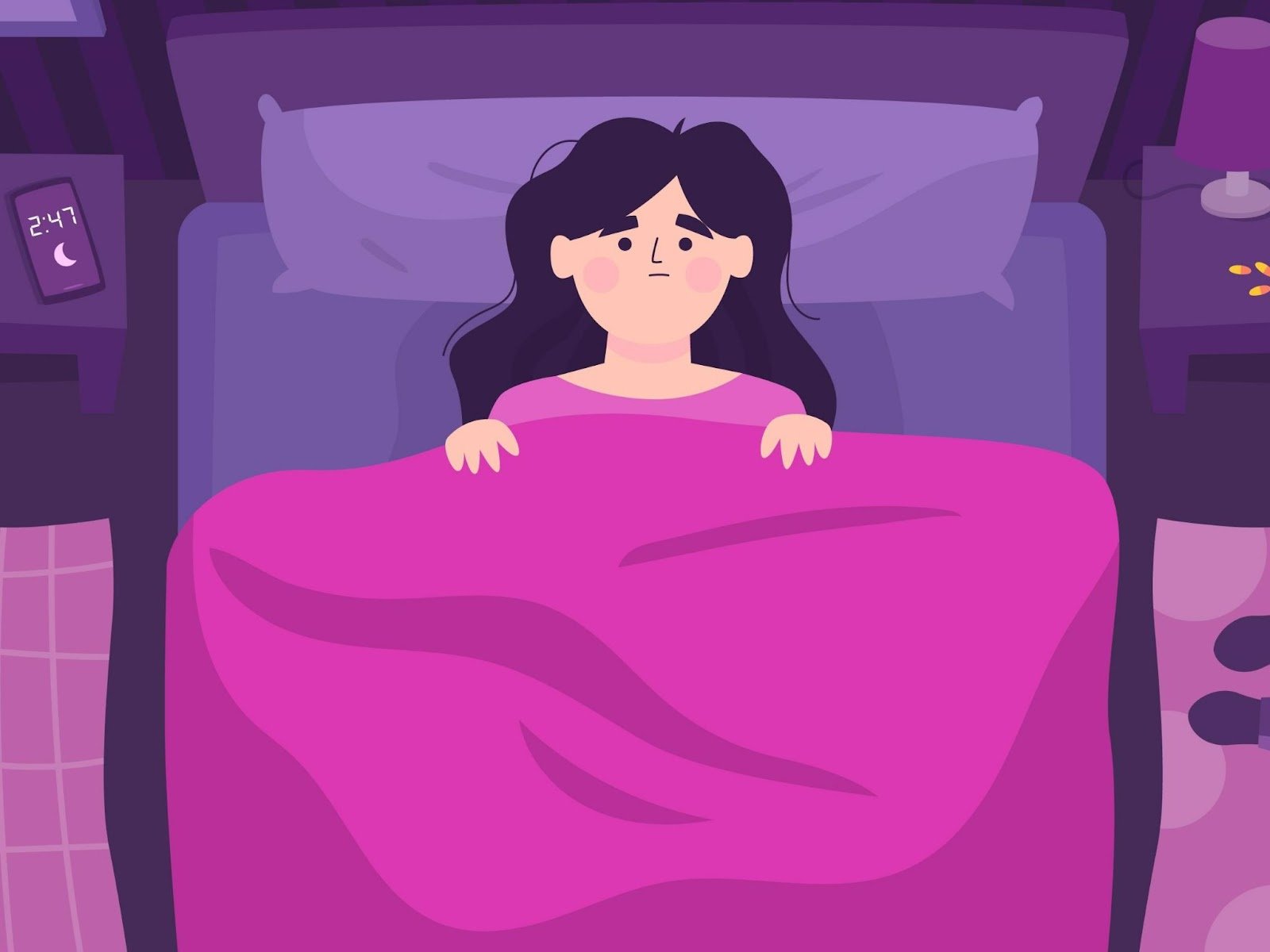
3. Poor sleep. You find it hard to fall asleep or stay asleep, or you wake up feeling unrefreshed.
4. Dull or dry skin. Your skin looks tired, dull or dry more often than it used to.
5. Changes in appetite. You have little appetite, or you crave sweet and snack foods more than usual.
6. Constipation or bloating. Your bowel habits are irregular, or your stomach often feels bloated.
7. Always run-down. You seem to catch every bug that’s going around, or take longer than usual to bounce back.
8. Low or irritable mood. You feel impatient, flat or low more often than you used to.
Everyday steps that can help
- Keep a regular sleep schedule, and give yourself time to wind down away from screens.
- Eat regular meals built around vegetables, fruit, whole grains and protein, and go easy on sugary and heavily processed foods.
- Drink water through the day, and keep alcohol low.
- Move every day; walking counts.
- If you smoke, get support to stop.
- Make room for rest, daylight and people you enjoy, and find a way of handling stress that works for you.
When to talk to a doctor
See your doctor if tiredness, poor sleep, low mood or changes in your digestion last more than a few weeks, keep getting worse or get in the way of daily life. Ongoing tiredness has many possible causes, and some are simple to check for. Seek help sooner if you notice warning signs such as a change in weight you can’t explain, blood in your stool, chest pain or shortness of breath. If you ever have thoughts of harming yourself, call or text 988 to reach the 988 Suicide & Crisis Lifeline, or get help right away.
This article is general information, not medical advice.
Building a simple daily routine? See what is in SPIRO Plus and our price.
Check your pack is genuine
Every official pack carries an anti-counterfeit QR code on the back. Scan it and key in the security code (you get one try), and the page tells you whether the pack is original.