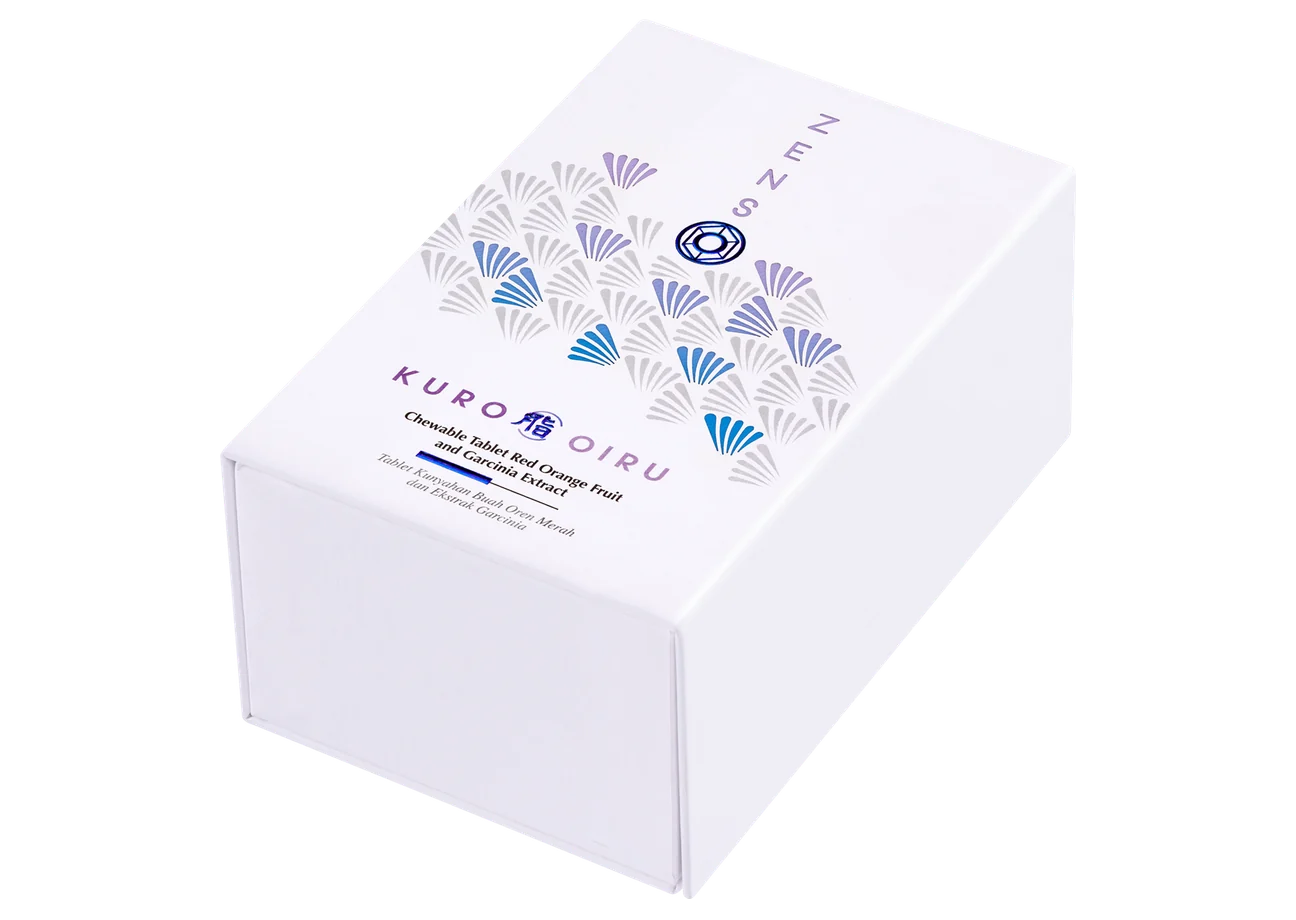
It is not a medicine, the research on vinegar and health is limited and mostly small-scale, and because it is acidic it should always be diluted or eaten with food. If you want kurozu as part of a weight-management routine rather than as a drink, ZENSO Kuro Oiru pairs 3-year fermented Kurozu black vinegar with Morosil® red orange and IGOB131® African mango in a chewable taken before lunch and dinner: see Kuro Oiru on our Singapore store.
Most Singapore kitchens know black vinegar from dumpling dips and pig trotters braised in black vinegar. The health question is newer, driven by Japanese drinking vinegars and supplements.
See also: Kuro Kosen review Singapore.
What is black vinegar (kurozu)?
Black vinegar is vinegar made from grains and aged long enough to turn dark brown or black. Like all vinegar it is made in two fermentations: yeast turns the sugars from the grain into alcohol, then acetic acid bacteria turn that alcohol into acetic acid, the compound that gives vinegar its sour taste. The long ageing adds colour, depth and a gentler acidity than white vinegar.
Kurozu (黒酢) is the Japanese name. Traditional kurozu is made from brown or unpolished rice, water and a koji starter, often aged outdoors in earthenware jars, sometimes for years.
Japanese kurozu vs Chinese black vinegar
- Japanese kurozu: usually rice only, mellow and slightly sweet-sour. It is often diluted and drunk, as well as used in cooking.
- Chinese black vinegar: often made from glutinous rice with wheat, barley, bran or sorghum, and more robust and malty. It is mainly a cooking vinegar, for dipping sauces, braises and the confinement dish of pig trotters in black vinegar.
Is black vinegar good for health?
In everyday amounts, yes, as a food. It adds flavour with almost no calories, fat or sugar, which makes it an easy swap for heavier sauces and dressings. It is a fermented food, and the main active compound is acetic acid.
Beyond that, be careful with big claims. Vinegar has been studied for things like how full people feel after a meal and how the body handles starchy meals, but most of those studies are small and short, and the effects are modest. Some online listings describe black vinegar as if it could fix almost anything; it cannot. Think of it as a good habit in a balanced diet, not a medicine, and not a replacement for advice from your doctor.
How do I take black vinegar?
In cooking: the easiest way. Use it in dipping sauces, dressings, stir-fries and braises.
As a drink: always dilute it. Mix the amount the label suggests into a glass of water (or sparkling water) and drink it with or after a meal, never neat on an empty stomach. A straw and a rinse of the mouth with water afterwards help protect your teeth.
As a supplement: some people prefer kurozu in tablet form, without the taste or the acid. Kuro Oiru is one: you chew one tablet 30 minutes before lunch and one 30 minutes before dinner, and it tastes of rose milk, so no water is needed. Kurozu is also in its sister chewable, Kuro Shuga, which our page describes as 3-year fermented Kurozu black vinegar with CQR-300® Cissus quadrangularis, L-arabinose and white kidney bean.
Black vinegar side effects and pregnancy
Black vinegar is acidic, and most side effects come from that:
- Teeth: frequent undiluted vinegar can wear tooth enamel. Dilute it and rinse afterwards.
- Throat and stomach: neat vinegar can irritate the throat, and some people get heartburn or an upset stomach. If you have reflux or a sensitive stomach, go gently or skip vinegar drinks.
- Medicines: if you take regular medication or manage a long-term condition, ask your doctor before drinking vinegar daily or taking a vinegar supplement.
Pregnancy and breastfeeding: black vinegar as a seasoning in normal cooking amounts is a long-standing part of many diets, including the traditional confinement dish. Concentrated vinegar drinks and supplements are different: ask your doctor first. For Kuro Oiru, our page says to ask your doctor first if you are pregnant, breastfeeding or on medication.
Does black vinegar help weight management?
On its own, black vinegar is not a weight-loss product. A diluted vinegar drink is a low-calorie habit that can sit alongside balanced meals, and the research on vinegar and fullness is small and modest.
That is how Kuro Oiru is built. Our page says Kuro Oiru is the fat-blocking step of the ZENSO Kuro routine: chew one tablet before lunch and dinner to help your body absorb less fat from oily meals and burn more of it. Chitosan binds fat from the meal you are about to eat, while L-carnitine, Morosil® red orange and IGOB131® African mango help your body burn fat and store less of it, and the page credits the 1,000-day fermented Kurozu with supporting your metabolism. Two cautions from the same page: it contains chitosan from crustacean shells, so it is not for anyone allergic to shellfish, and results vary from person to person and are best with a balanced diet and exercise.