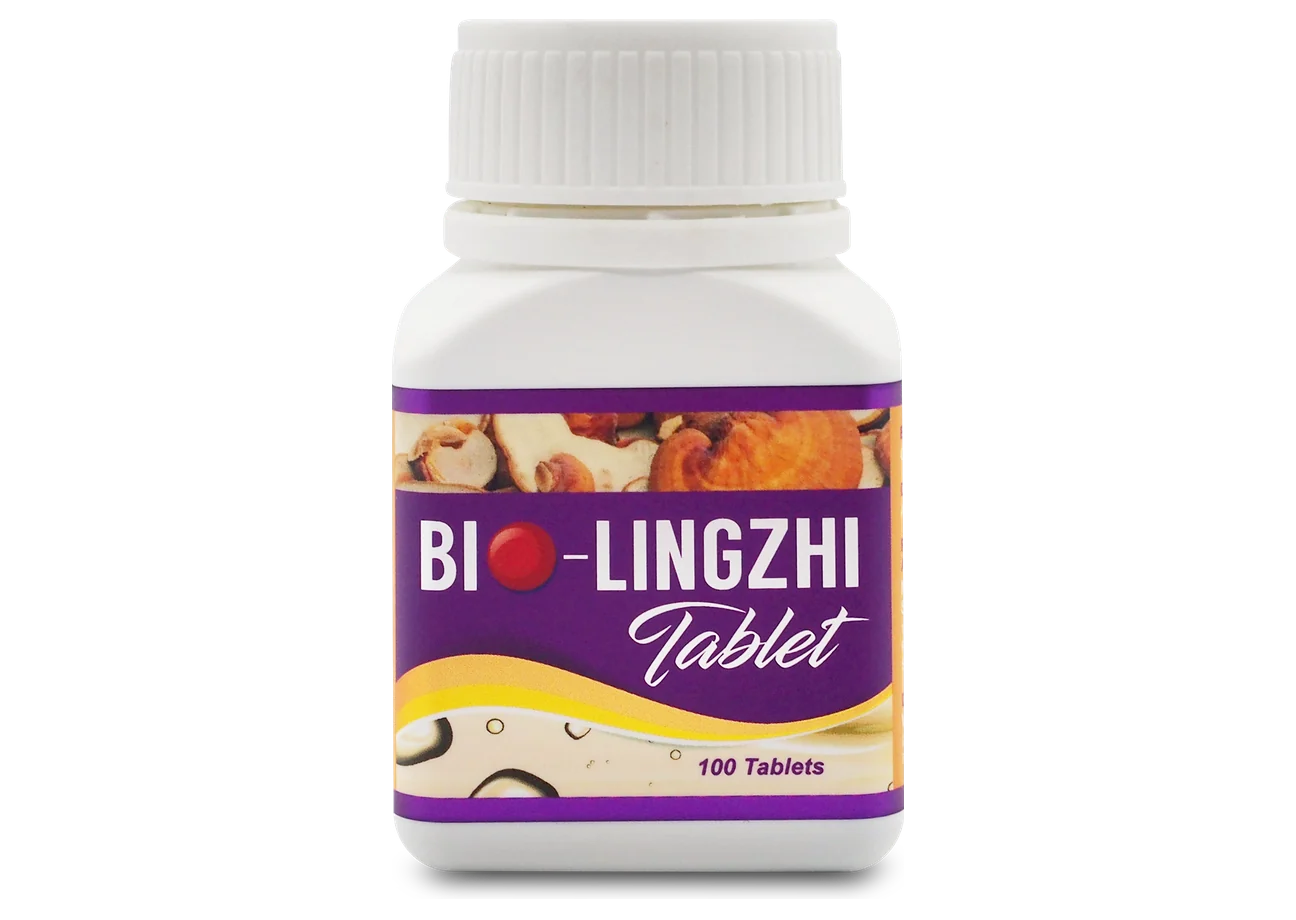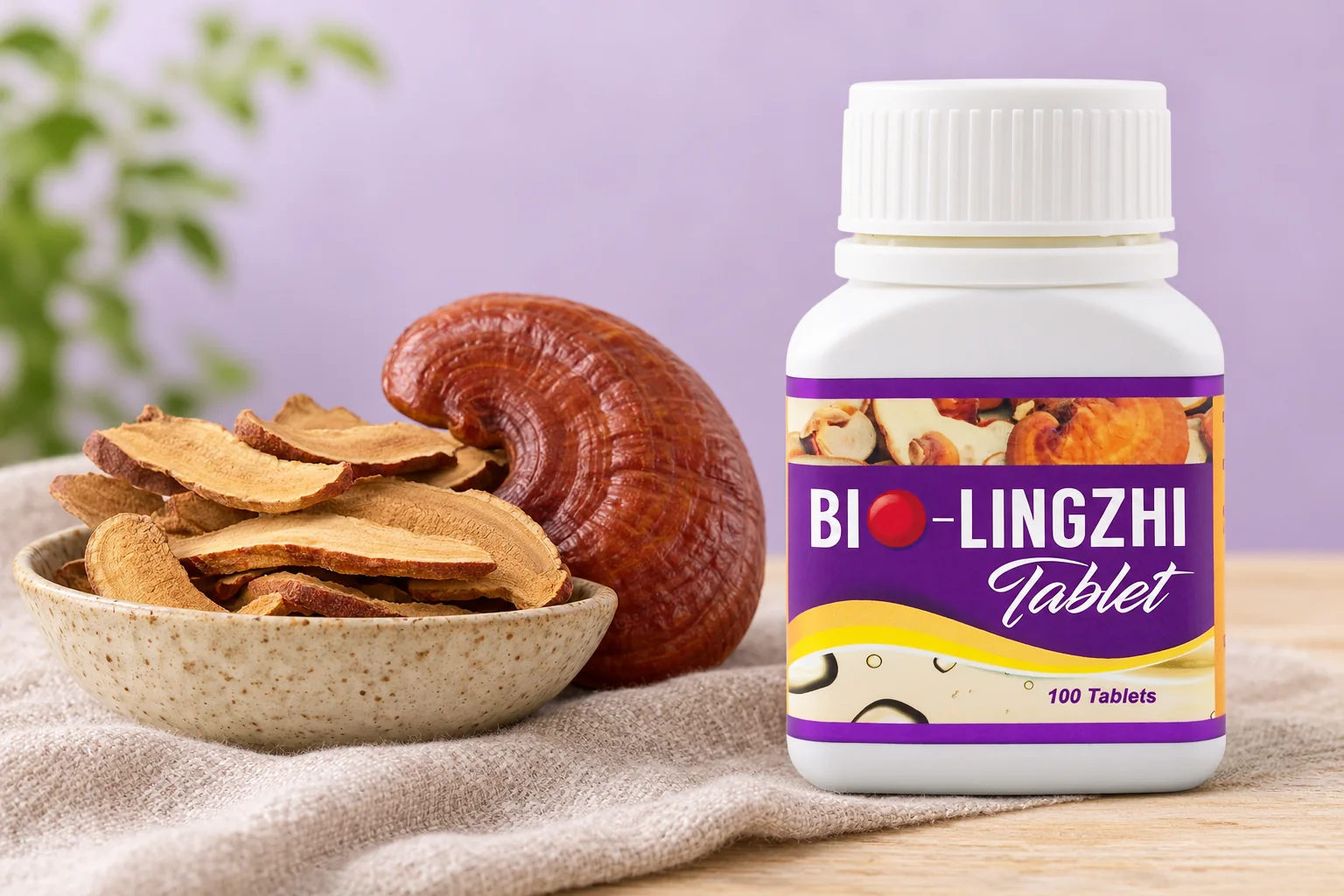
The bigger risk is combining it with medicines, especially blood thinners, or taking it before surgery, in pregnancy or while breastfeeding, or with a liver or kidney condition; in those cases ask your doctor first. Lingzhi is not a medicine for the kidneys or any disease. Our BIO LingZhi tablets (250 mg Hokkaido red reishi each) are for adults, 1-2 tablets three times a day — see BIO LingZhi on our Singapore store.
This guide answers the safety questions people in Singapore search for about lingzhi, whether as capsules, tablets, cracked spores or slices. We sell BIO LingZhi, so we keep the general facts general and quote our own product page for anything about our product.
What are the side effects of lingzhi?
Most healthy adults who take lingzhi at label doses notice nothing. When side effects are reported, general references most often list:
- dry mouth, throat or nose
- stomach upset or loose stools
- dizziness or headache
- itchiness or a skin rash
- less often, nosebleeds or bruising more easily, because lingzhi may affect blood clotting
Lingzhi capsule side effects and cracked spore side effects are the same in kind: it is the same mushroom, but concentrated extracts, spore powder and spore oil deliver more per dose, so stick to the label. Stop and see a doctor if you notice yellowing of the skin or eyes, dark urine, unusual bleeding or bruising, a spreading rash, or stomach pain that does not settle, and take the pack with you.
Is lingzhi safe to take every day?
For healthy adults, daily use at the label dose is the normal way lingzhi is taken. Our page says lingzhi is neutral, so it will not cause heatiness, and healthy adults can take it every day. Long-term research is limited, though, so if you take it for months, mention it at your regular check-ups, especially if you also take prescribed medicine.
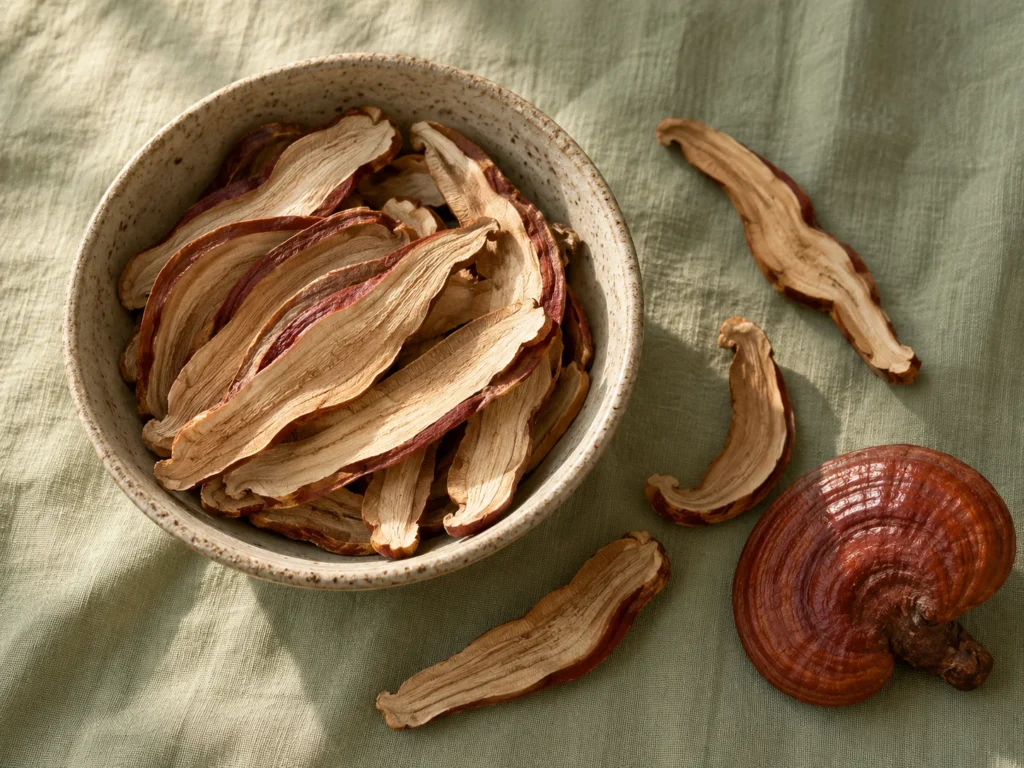
BIO LingZhi is labelled for adults: 1-2 tablets, three times daily. Keep it out of reach of children; ask a doctor before giving any lingzhi product to a child.
Can I take lingzhi with medicine or blood thinners? Who should check first?
This is the most important question. Lingzhi may slow blood clotting, so with blood thinners or antiplatelet medicines the effects could add up and raise the risk of bleeding. It may also nudge blood pressure or blood sugar in some people, which matters if you take medicine for either, and people on medicines that suppress the immune system should ask before taking any immune supplement.
Before surgery or dental work, tell your doctor about every supplement you take; you may be asked to stop beforehand. For BIO LingZhi, our page puts it plainly: please check with your doctor if you take any medicine, especially blood thinners, if you have surgery coming up, or if you are pregnant or breastfeeding.
Is lingzhi good for the kidneys or the liver?
Lingzhi is not a kidney medicine, and it should never be used to manage a kidney problem on your own. Some online ads describe lingzhi as a way to protect the kidneys; that is not a claim we make. In traditional Chinese medicine, “kidney” describes a system of vitality, not the organ your doctor tests with a urine or blood test, so traditional sayings do not translate into medical benefits.
Your kidneys and liver clear many substances, so anyone with a kidney or liver condition should ask a doctor before taking any herbal supplement. If you have been told your kidneys need checking, or notice changes such as swelling or changes in your urine, see a doctor; a supplement is not the answer. Regulators in the region also monitor adverse event reports involving herbal products, which is one more reason to buy sealed stock from a seller you can trace and to report any reaction to your doctor.
Is lingzhi heaty?
No. In traditional terms lingzhi is a neutral tonic, and our page says it will not make you heaty. If you notice a dry mouth, drink more water; if it persists, stop and ask your doctor.
Is lingzhi FDA approved?
No lingzhi supplement is “approved” the way a medicine is. In the United States the FDA does not approve dietary supplements before they are sold, and in Singapore HSA does not pre-approve health supplements either: sellers are responsible for their safety and quality, and the products must not make medicinal claims. Be cautious about any “approved lingzhi” claim and look for evidence of testing instead.
For BIO LingZhi, our page shows the papers: it is made in Malaysia in a GMP-certified plant; arsenic, cadmium, lead and mercury were not detected; E. coli, Salmonella and Staphylococcus aureus were absent; and the reishi has a Hokkaido certificate of analysis. It uses the fruit body and mycelium, not the spores.