Are Probiotics Really Good for Your Health?
Probiotics are a big buzzword in today’s modern society and are very beneficial to our intestines, the “second brain” of the human body. Consumers market from dietary supplements such as probiotic drinks and probiotic pills to probiotic foods such as milk and ice cream containing probiotics, kombucha, yogurt and skin care products containing probiotics. Especially for our FRUSSO which contains great number of probiotics that are beneficial to us. We carry a wide range of probiotic products on the market. But what are probiotics? Are Probiotics Really Good for Our Health? Is it scientifically proven?
What are probiotics?
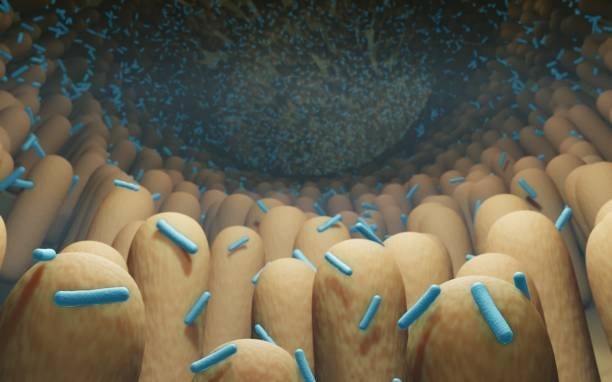
Probiotics are living microorganisms (small organisms that can only be seen under a microscope), so our bodies need to promote good health. In simple terms, probiotics are friendly microbes, or “good” microbes for humans. I call it a “good” microbe here. Because they bring us many health benefits, including B. Helps digestion, stimulates the immune system, and protects us from the “bad” microbes that make us sick.
There are different types of probiotics. The most and widely used probiotic bacteria are:
Lactobacillus: This is the most common probiotic bacterium found in supplements, yogurt, etc. Lactobacillus is common in our intestines and many body parts and plays an important role in maintaining our health. Common species of Lactobacillus include Lactobacillus galinalum, Lactobacillus bulgaricus, Lactobacillus ramnosus, and Lactobacillus casei.
Bifidobacterium: Like Lactobacillus, Bifidobacterium is a probiotic bacterium widely used in dietary supplements and foods. Bifidobacterium usually inhabits our intestines and stomach. They help our body perform important functions like digestion and compete with “bad” bacteria for food to kill them. Examples of bifidobacteria are bifidobacteria bifidobacteria and bifidobacteria brave.
Streptococcus: A type of lactic acid bacterium (LAB). Some streptococcal species can cause disease in humans, while most streptococcal species are not harmful, but live naturally and peacefully in our mouth, skin, intestines, and upper respiratory tract. Streptococcus is used in the production of Swiss cheese.
Other types of probiotic bacteria are Enterococcus, Escherichia, Bacillus, and Saccharomyces (yeast).
Why do you need probiotics?
Many people are very afraid of microbes, and some call them bacteria. Have you ever met someone who was obsessed with cleanliness and personal hygiene and occasionally washed and disinfected their hands? If so, you may find that the person is probably prone to developing eczema or has some kind of skin infection. why? This is because excessive cleansing removes and kills the natural microbial flora on the surface of the skin that protects us from attack by “bad” microorganisms in the environment.
Can probiotics be harmful?
Probiotics have a long history of seemingly safe to use, especially for healthy people. However, few studies have investigated the safety of probiotics in detail, so there is a lack of solid information on the frequency and severity of side effects. The risk of side effects from probiotics is higher in people with serious illness or weakened immunity. When considering probiotics for high-risk individuals such as premature babies and critically ill inpatients, the potential risks of probiotics and their benefits should be carefully weighed. Possible adverse effects of probiotics include infectious diseases, the production of harmful substances by probiotic microorganisms, and the transfer of antibiotic resistance genes from probiotic microorganisms to other microorganisms in the gastrointestinal tract. It has been reported that some probiotic products contain microorganisms other than those listed on the label. In some cases, these contaminants can pose a serious health risk
Where can we get Probiotics?
We can get Probiotics from daily food intake such as yogurt, kefir, sauerkraut, tempeh, kimchi, miso, kombucha, pickles and so on.
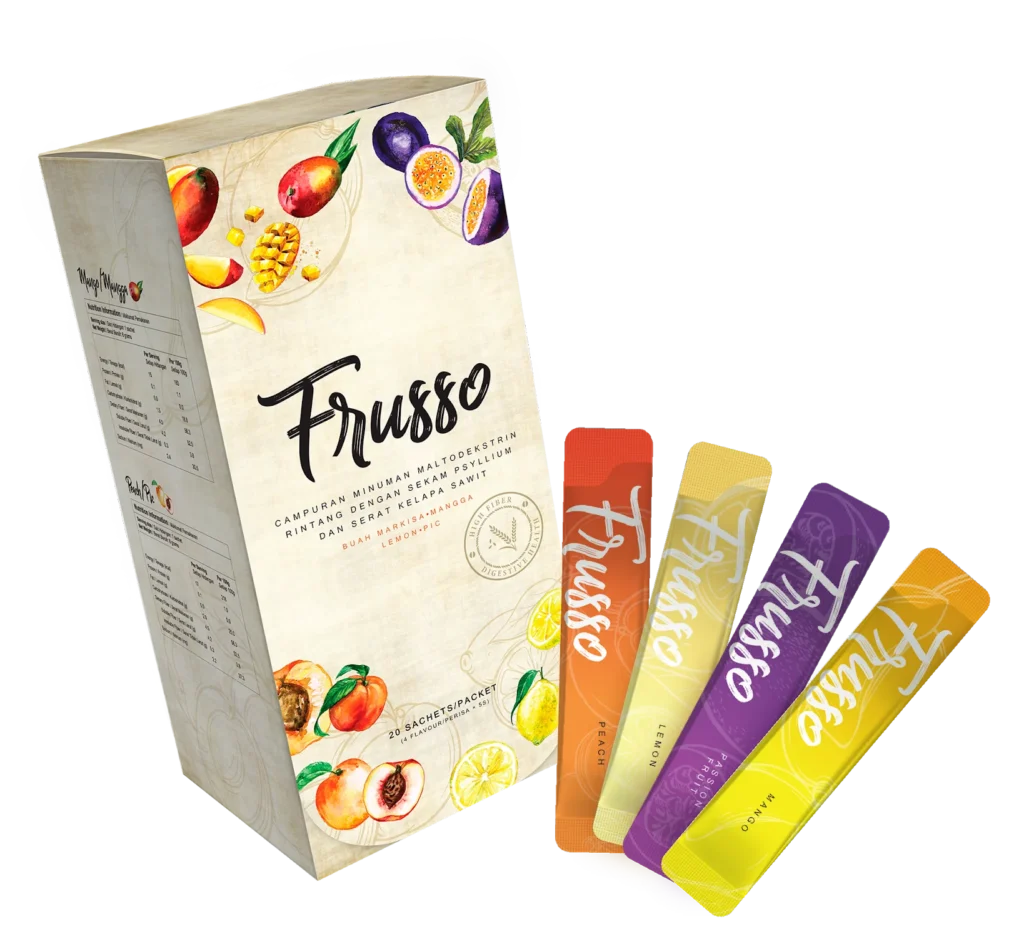
But if there is an easy way for you to get enough probiotics on a daily basis which promote healthy gut, intestinal and boost up our “second brain”, would you like to try it? The solution is FRUSSO, which contains probiotics and prebiotics, just one sachet per day would give you all the benefits of it and you can even lose weight in a healthy and simple way from it! So why wait? Try FRUSSO now!
Looking for a natural digestive reset? Take a look at SPIRO Plus — see pricing, reviews and where to buy.
Check your pack is genuine
Every official pack carries an anti-counterfeit QR code on the back. Scan it and key in the security code (you get one try), and the page tells you whether the pack is original.
Buy SPIRO Plus in Australia — official store price & delivery