Digestive enzymes are the tools your body uses to break food into pieces small enough to absorb. Here is what they do, in plain English, and who tends to benefit from more of them.
The three main jobs
Eggs, beans, olive oil and wholegrain bread: protein, fat and carbohydrate foods
Proteases break down protein (meat, eggs, beans).
Lipase breaks down fats.
Carbohydrate enzymes (amylase, lactase, cellulase and more) break down starches, sugars and fibre.
Why “broad-spectrum” matters
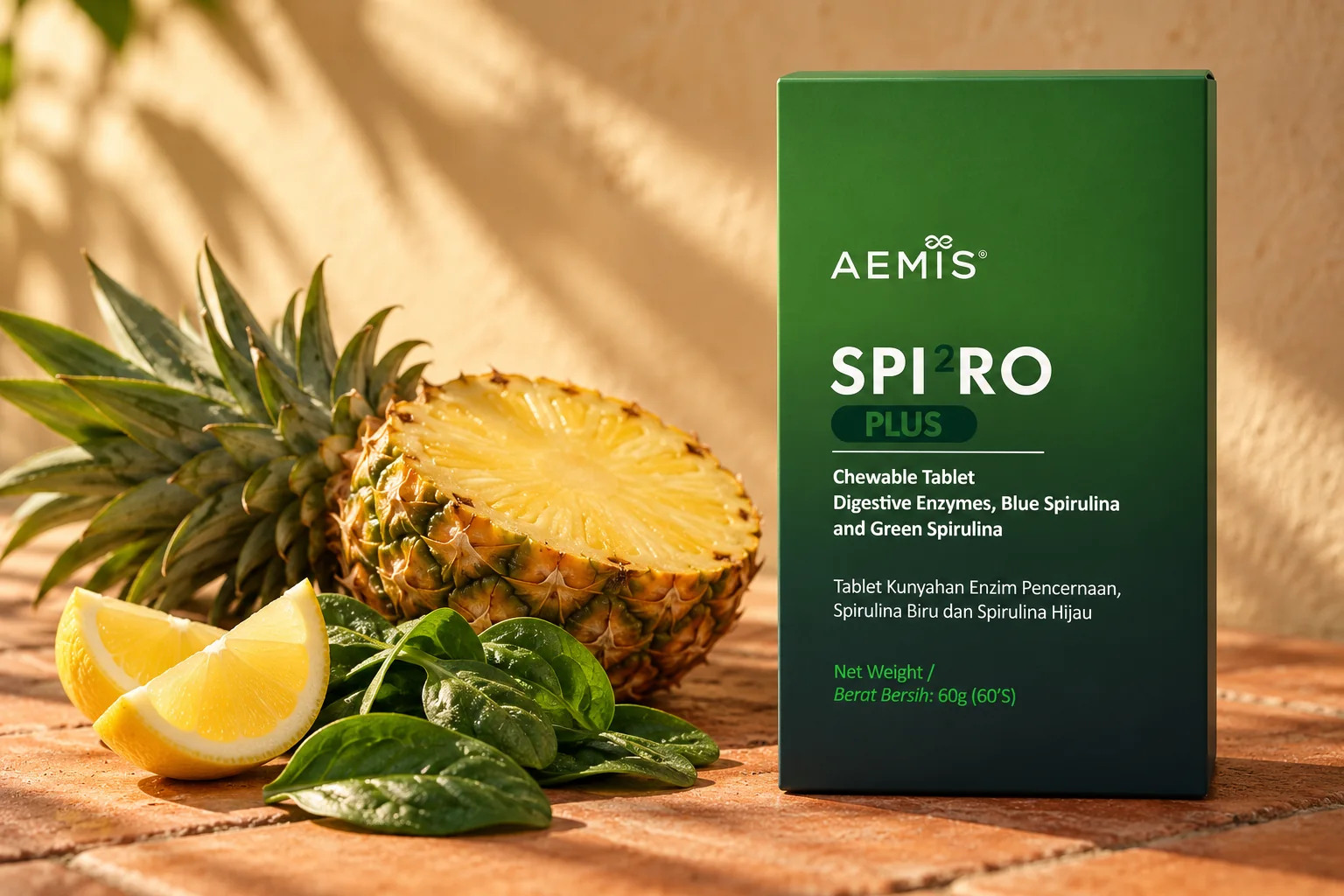
Most everyday meals mix all three. A formula with only one or two enzymes leaves gaps — which is where undigested food ferments and causes gas. SPIRO Plus carries 17 enzymes covering protein, fat and ten different carbohydrate sources, plus catalase and phytase.
Who benefits
Enzyme output naturally declines with age, and dips with stress and some medications. If you feel heavy after meals, react to beans or dairy, or feel like nutrients “pass through”, extra enzymes often help.
If you regularly feel bloated or heavy after meals, or react to specific foods, a broad-spectrum enzyme often helps.
Are digestive enzymes safe to take daily?
Broad-spectrum food enzymes are generally taken daily with meals. If you have a medical condition, check with your doctor.
Check your pack is genuine
Every official pack carries an anti-counterfeit QR code on the back. Scan it and key in the security code (you get one try), and the page tells you whether the pack is original.