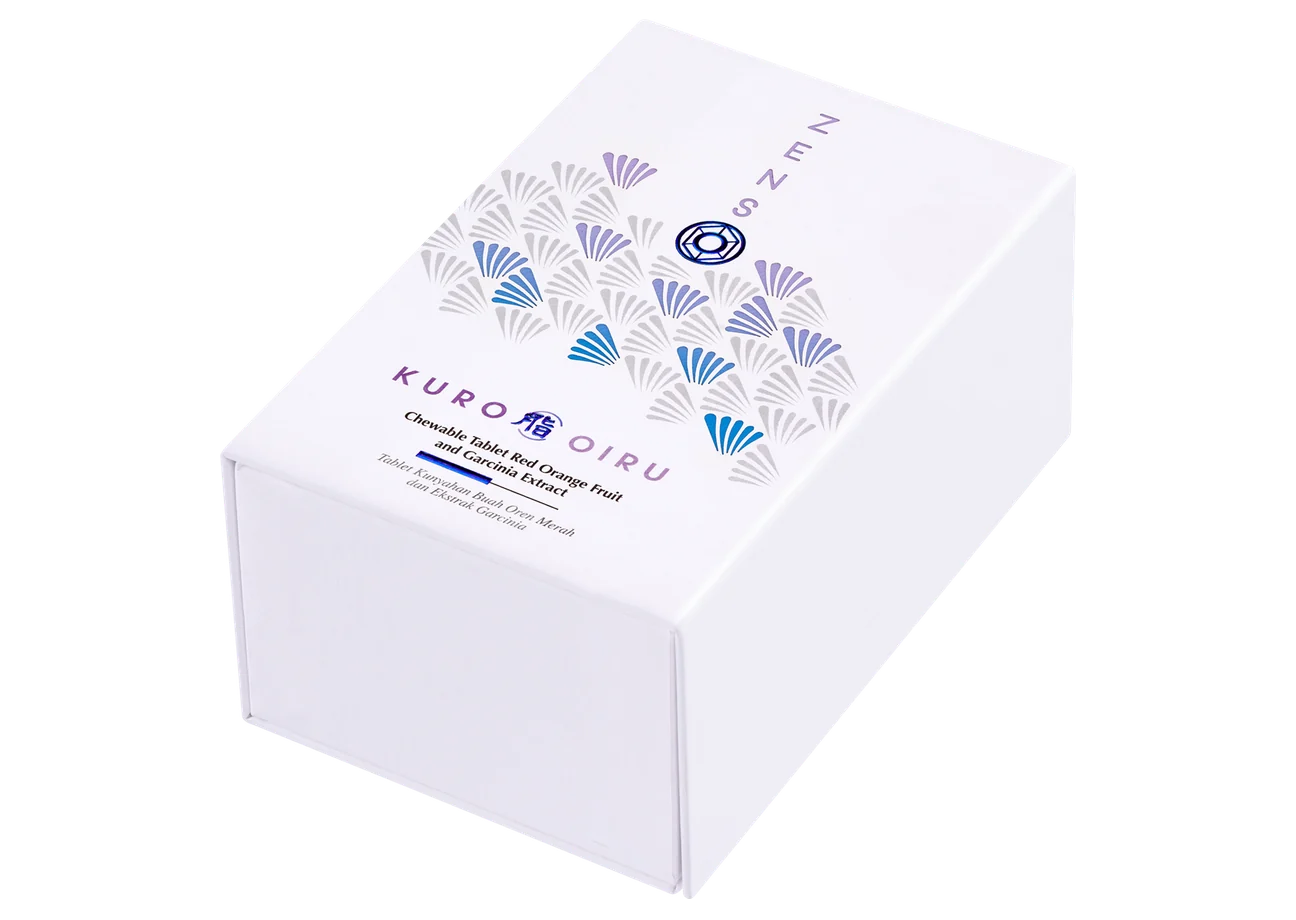
The evidence is modest, and black vinegar is a food, not a medicine. Two very different products share the name: Chinese cooking black vinegar (cuka hitam) and Japanese kurozu, a brown-rice vinegar aged for months or years that people dilute and drink. In Malaysia, ZENSO Kuro Oiru pairs 3-year fermented Kurozu with Morosil® red orange and IGOB131® African mango in a chewable taken before lunch and dinner.
Most Malaysian searches for “black vinegar” and “cuka hitam” are about the bottle in the kitchen, so this guide starts there, then covers the research, how to drink it safely and where our ZENSO Kuro kurozu fits.
See also: Kuro Kosen Review (Malaysia)
What is black vinegar? Kurozu vs cuka hitam
Several dark vinegars go by the same name, and they are not interchangeable:
- Chinese black vinegar (cuka hitam, 黑醋). A cooking vinegar brewed from grains such as glutinous rice, wheat bran or sorghum and aged until dark and malty. The Zhenjiang (Chinkiang) style is the one used for dumpling dips, braised dishes and noodles.
- Sweet or sweetened black vinegar. Black vinegar cooked with sugar and spices. In Chinese Malaysian homes it is the base of the pork knuckle, ginger and egg stew made during confinement. It is a seasoning, and a sugary one.
- Japanese black vinegar (kurozu, 黒酢). A brown-rice vinegar fermented and then aged in earthenware jars, traditionally outdoors in southern Japan. It darkens and mellows with age, and in Japan it is commonly diluted and drunk as a daily habit.
- Balsamic vinegar. Italian and grape-based; dark, but a different product altogether.
If your question is about cooking, any Chinese black vinegar works. If it is about drinking vinegar for wellness, people usually mean kurozu.
Is black vinegar good for health? What research suggests
As a condiment, black vinegar adds flavour without fat, which suits lighter cooking. Most research is on vinegar in general and its main acid, acetic acid: small human studies have looked at vinegar taken with meals, how the body responds to a starchy meal and how full people feel afterwards, and a handful of small Japanese studies have looked at drinking kurozu daily. The results are interesting but limited, and kurozu (which also carries amino acids from the long fermentation of rice) is best seen as a good food habit, not a remedy. See a doctor about any health condition.
How do you drink black vinegar?
- Always dilute it: a small amount of kurozu in a full glass of water, or as the bottle’s label says. Never neat.
- With or after food, not on an empty stomach.
- Protect your teeth: use a straw, rinse with water and wait before brushing.
- Not cooking vinegar: seasoned and sweetened black vinegars can be high in sugar or salt.
What are the side effects of black vinegar?
In normal food amounts, black vinegar is safe for most people. Problems come from strong or frequent doses:
- Teeth: the acid can wear tooth enamel over time.
- Throat and stomach: undiluted vinegar can irritate the throat, and it can worsen heartburn or reflux.
- Medicines: if you take long-term medication, including medicine for blood sugar, the heart or fluid balance, ask your doctor before drinking vinegar daily.
- Pregnant or breastfeeding: ask your doctor before taking vinegar daily as a supplement.
What does “3-year fermented” kurozu mean?
It is how long the vinegar was fermented and aged; longer ageing makes kurozu darker and rounder. The Kuro Oiru page describes its vinegar as 3-year fermented Kurozu black vinegar, and its ingredient panel lists Kurozu black vinegar as fermented 1,000 days, which is a little under three years. In the ZENSO tablets the vinegar is used as black vinegar powder, so you get kurozu in a chewable rather than a sour drink.
How is kurozu used in the ZENSO Kuro singles?
The Kuro singles each have a different job in the ZENSO routine. Kuro Mizu is taken when you wake and Kuro Daitto at breakfast; Kuro Oiru and Kuro Shuga are chewed before lunch and dinner, and both contain fermented Kurozu black vinegar.
- ZENSO Kuro Oiru (the fat blocker). It pairs 3-year fermented Kurozu black vinegar with Morosil® red orange and IGOB131® African mango, plus chitosan, L-carnitine, garcinia and purple tea. Its page says it helps your body absorb less fat from oily meals and burn more of it, and lists 1,000-day fermented Kurozu black vinegar under “Supports your metabolism”. Its chitosan comes from crustacean shells, so it is not for anyone allergic to shellfish.
- ZENSO Kuro Shuga (the carb blocker). Kurozu with CQR-300® Cissus quadrangularis, L-arabinose and white kidney bean, made for carb lovers and anyone with a sweet tooth.
Kuro Oiru is certified halal by JAKIM, and NPRA classified it as a food product, so it carries no MAL number. Our price is RM350 for a box of 60 tablets (30 days).
Ringkasan (BM): cuka hitam untuk apa?
Cuka hitam Cina ialah perasa masakan daripada beras pulut atau bijirin, digunakan untuk cicah dumpling, masakan rebus dan mi. Cuka hitam Jepun (kurozu) pula diperam lebih lama dan biasanya dicairkan dengan air untuk diminum. Kajian kecil tentang cuka masih terhad; cuka hitam ialah makanan, bukan ubat. Sentiasa cairkan sebelum minum, minum selepas makan dan bilas mulut untuk melindungi gigi. Jika anda hamil, menyusu atau sedang mengambil ubat, tanya doktor anda dahulu.