That heavy, pressing feeling after eating — not full, just bloated — is one of the most common complaints there is. If you keep asking “why am I bloated after eating?”, here are seven real causes, and the upstream one most people miss.
1. Eating too fast
Swallowed air plus half-chewed food is a recipe for gas. Slowing down is the cheapest fix there is.
2. Trigger foods
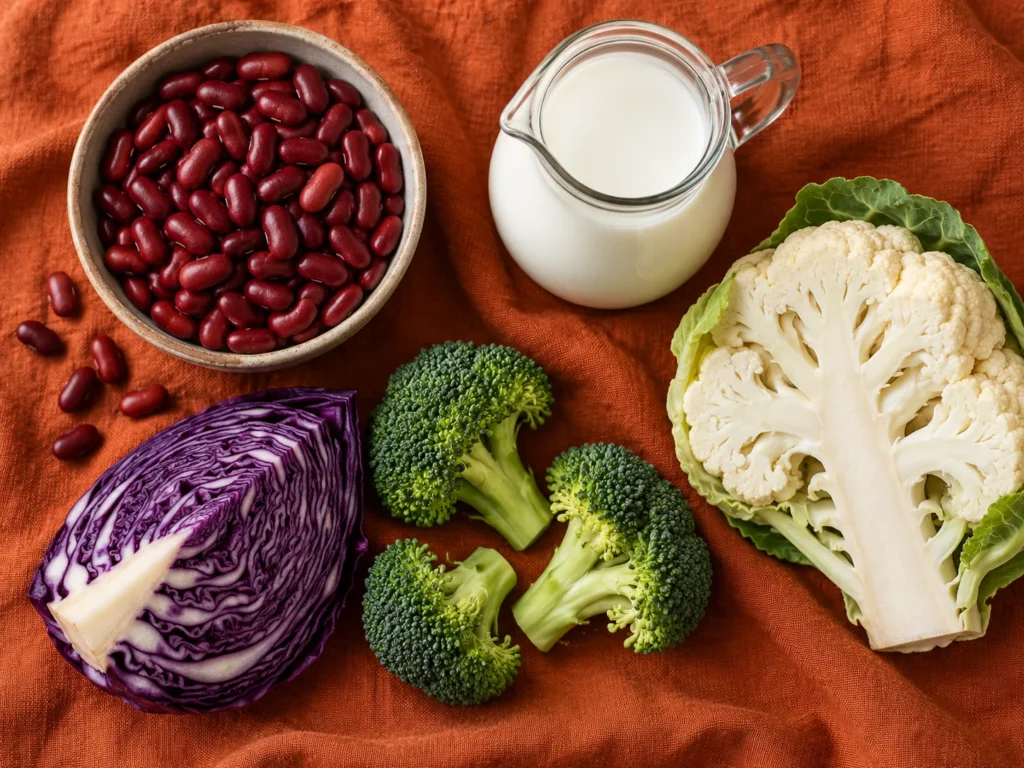
Beans, dairy, cruciferous veg and carbonated drinks are common culprits — especially if the enzymes to break them down are in short supply.
Beans, milk, cauliflower, broccoli and red cabbage: foods named as common bloating culprits
3. Low stomach acid
More common with age and with some medications; food sits longer and ferments.
4. Gut bacteria imbalance
When fermentation outpaces digestion, gas builds up.
5. Stress
The gut and brain are wired together; stress slows digestion.
6. Not enough movement
A short walk after meals genuinely helps things move.
7. The one most people miss: not enough digestive enzymes
As we age, natural enzyme output declines. Undigested protein, fat and carbohydrate then ferment in the gut — which is exactly what produces gas, pressure and that “heavy” feeling. This is why fibre or probiotics alone sometimes make bloating worse: without the enzymes to break food down first, you are adding fuel to the fermentation.
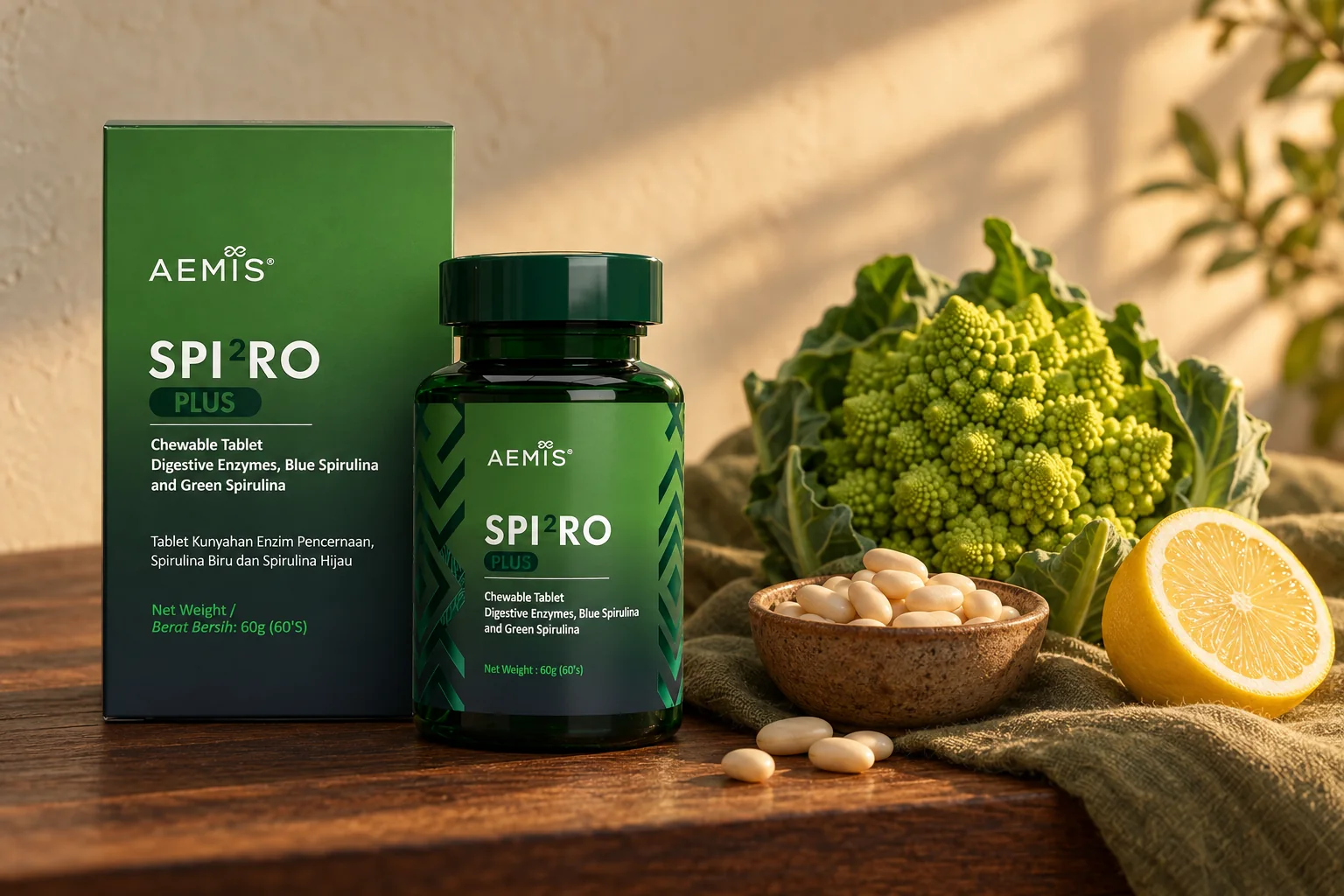
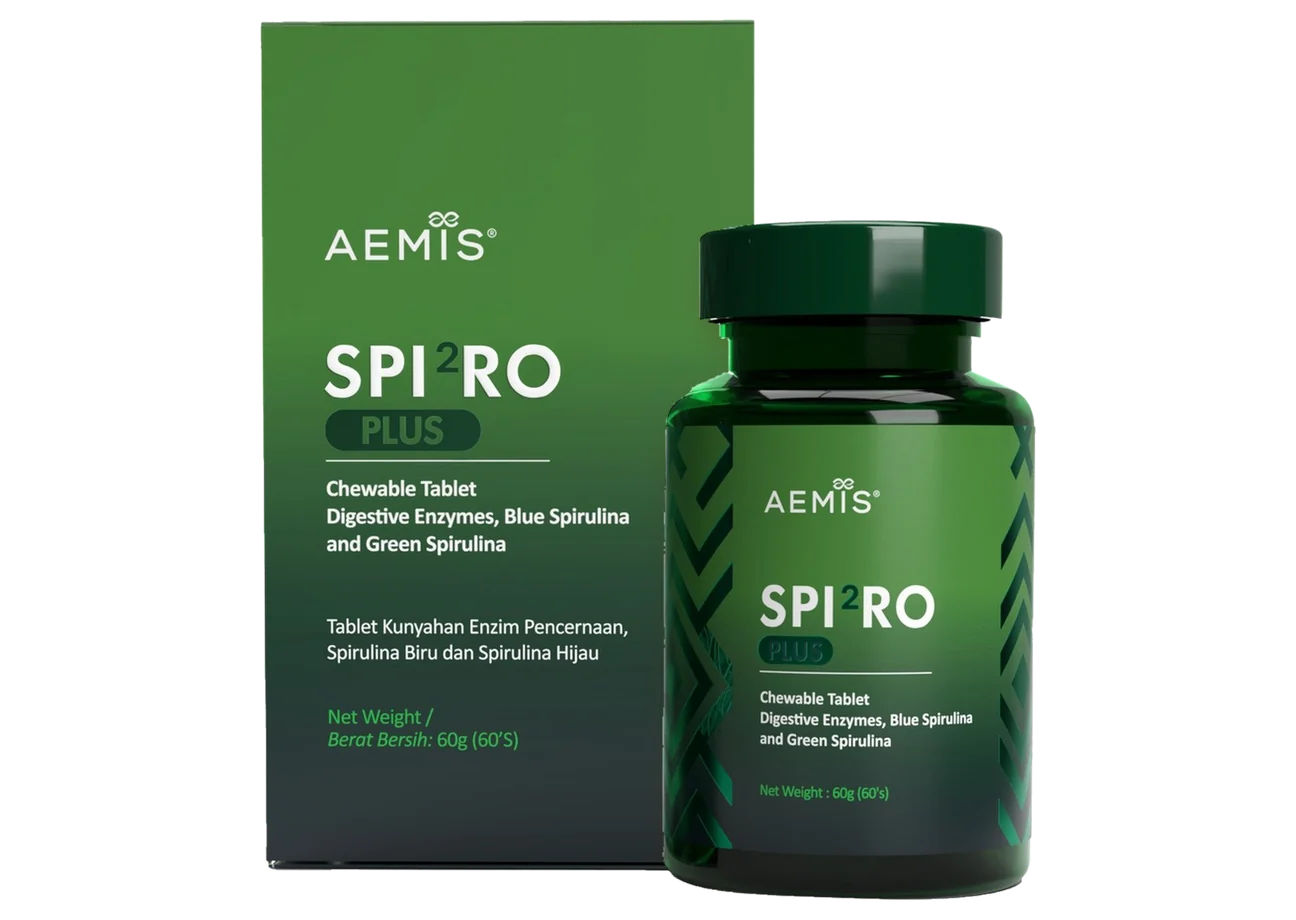
Broad-spectrum digestive enzymes address this upstream. SPIRO Plus carries 17 of them, active across the whole digestive tract, which is why many people notice less heaviness first.
“Healthy” foods like beans, fibre and cruciferous veg are some of the hardest to digest. Without enough enzymes, they ferment and produce gas.
Can digestive enzymes help bloating?
Broad-spectrum enzymes help break food down more completely, which can reduce the fermentation that causes gas and pressure.
Check your pack is genuine
Every official pack carries an anti-counterfeit QR code on the back. Scan it and key in the security code (you get one try), and the page tells you whether the pack is original.