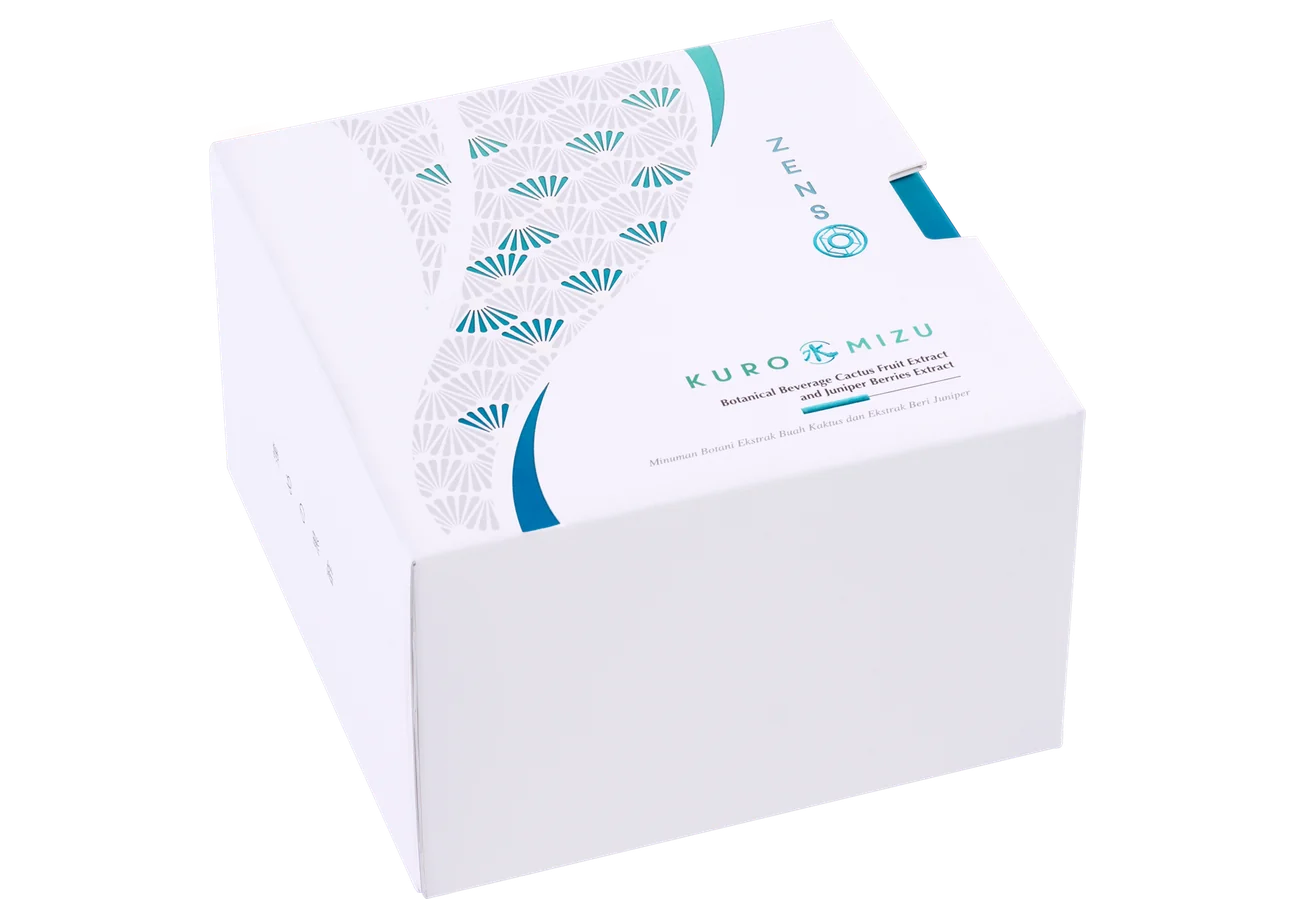
It is mostly water, with fibre, vitamin C, minerals such as magnesium and potassium, and the red-purple betalain pigments also found in beetroot, so it earns its place as a good fruit in a balanced diet rather than a miracle food. Its concentrated extract is a different thing: a standardised ingredient used in drinks and supplements, such as the CactiNea™ prickly pear extract in our ZENSO Kuro Mizu water-balance drink.
We sell a drink made with prickly pear extract, so the fruit question comes first and our product only in the last section.
See also: ZENSO Review Malaysia: Lite, Advance, Pro and GLPro compared, plus the four Kuro singles
What is prickly pear?
Prickly pear is the common name for cacti of the genus Opuntia, above all Opuntia ficus-indica. Native to Mexico, it grows flat, paddle-shaped pads and has spread to warm, dry places such as North Africa and Sicily (hence “Barbary fig”). Two parts are eaten:
- The fruit (“tuna” in Spanish), an egg-sized berry that grows on the edge of the pads, with green, yellow, orange, red or magenta flesh.
- The young pads, called nopales or nopal cactus, cooked as a vegetable in Mexican food (nopalitos).
So when someone asks “is cactus a fruit?”, the answer is that the cactus plant is not a fruit, but some cacti bear edible fruit. Prickly pear is one; dragon fruit (pitaya), which grows on a climbing cactus and is easy to find in Malaysia, is another.
What does it taste like, and is it nutritious?
Ripe prickly pear is juicy and mildly sweet, often compared to watermelon crossed with pear or kiwi. The flesh is packed with small, hard, edible seeds; most people swallow them or strain them out for juice.
The skin carries glochids, tiny hair-like spines. Handle the fruit with gloves or tongs, cut off both ends, slit the skin lengthwise and peel it away.
Nutritionally it is a water-rich fruit that brings dietary fibre (much of it in the seeds), vitamin C, magnesium, potassium and calcium, plus betalains: the pigments that give red prickly pear and beetroot their colour and act as antioxidants. Amounts vary with variety and ripeness, so think of it as one good fruit among many, not a superfood.
What are the benefits of prickly pear fruit and juice?
As a fruit, its benefits are the ordinary ones: water, fibre, vitamin C and minerals in a low-fat, sweet package. Researchers have also looked at its antioxidant pigments, blood sugar after meals, hangover symptoms and fluid retention, but most human studies are small, short and use extracts or the pads, so they do not tell you what eating a few prickly pears will do.
Prickly pear juice is popular for its vivid magenta colour. Straining removes the seeds, and with them much of the fibre, so the juice is lighter on fibre than the whole fruit; check bottled juice for added sugar.
Prickly pear extract vs the fruit
An extract is a concentrated preparation made from the fruit (or sometimes the pads), standardised so each batch carries a consistent amount of the compounds the maker cares about, and used in small amounts in drinks and supplements. A branded extract, marked ™ or ®, is one maker’s preparation, and any research behind it applies to that extract, not to prickly pear in general.
Are there side effects of prickly pear?
As a fruit, prickly pear is an everyday food in many countries. Large amounts can cause bloating, loose stools or mild stomach upset, a lot of seeds at once can be hard on digestion, and unpeeled glochids irritate skin and mouth.
Concentrated extracts are different: if you are pregnant, breastfeeding, on medicine (particularly for blood sugar) or have a health condition, ask your doctor first.
Why is prickly pear extract used in water-balance drinks like Kuro Mizu?
ZENSO Kuro Mizu is the water-balance step of the ZENSO Kuro routine. Its star ingredient is CactiNea™ cactus fruit extract, 10% of the formula, made from prickly pear in France, with juniper berries extract at 3%. Our page says CactiNea™ helps your body let go of excess sodium, and that the formula helps flush out excess water (CactiNea™ cactus fruit + juniper) and supports weight management by easing water retention.
- What our page says it does: helps clear the extra salt from salty meals, a less puffy face in the morning, and lighter legs after long hours sitting or standing.
- Other ingredients: honey, vinegar, ginger root, meadowsweet, plum extract and powder, black vinegar liquid and two preservatives (potassium sorbate, sodium benzoate).
- The research note: our page shows a study of the ingredient CactiNea™ at 2 g a day in 15 women over 7 days, and states plainly that it is not a study of Kuro Mizu.
- How to take it: one 10 ml plum-and-berry sachet when you wake (7 kcal, 0.5 g sugars). You may visit the toilet more in the morning, which is why it is taken on waking, not at night.
- Status: certified halal by JAKIM; NPRA classified it as a food product, so it carries no MAL number. Our price is RM380 for a box of 30 sachets.
It suits people who love salty food or eat out most days, or sit or stand for long hours. Results vary from person to person; best with less salt, enough water and exercise. Ask your doctor first if you are pregnant, breastfeeding or on medication; if swelling comes on suddenly, hurts or does not go away, see a doctor rather than rely on Kuro Mizu.